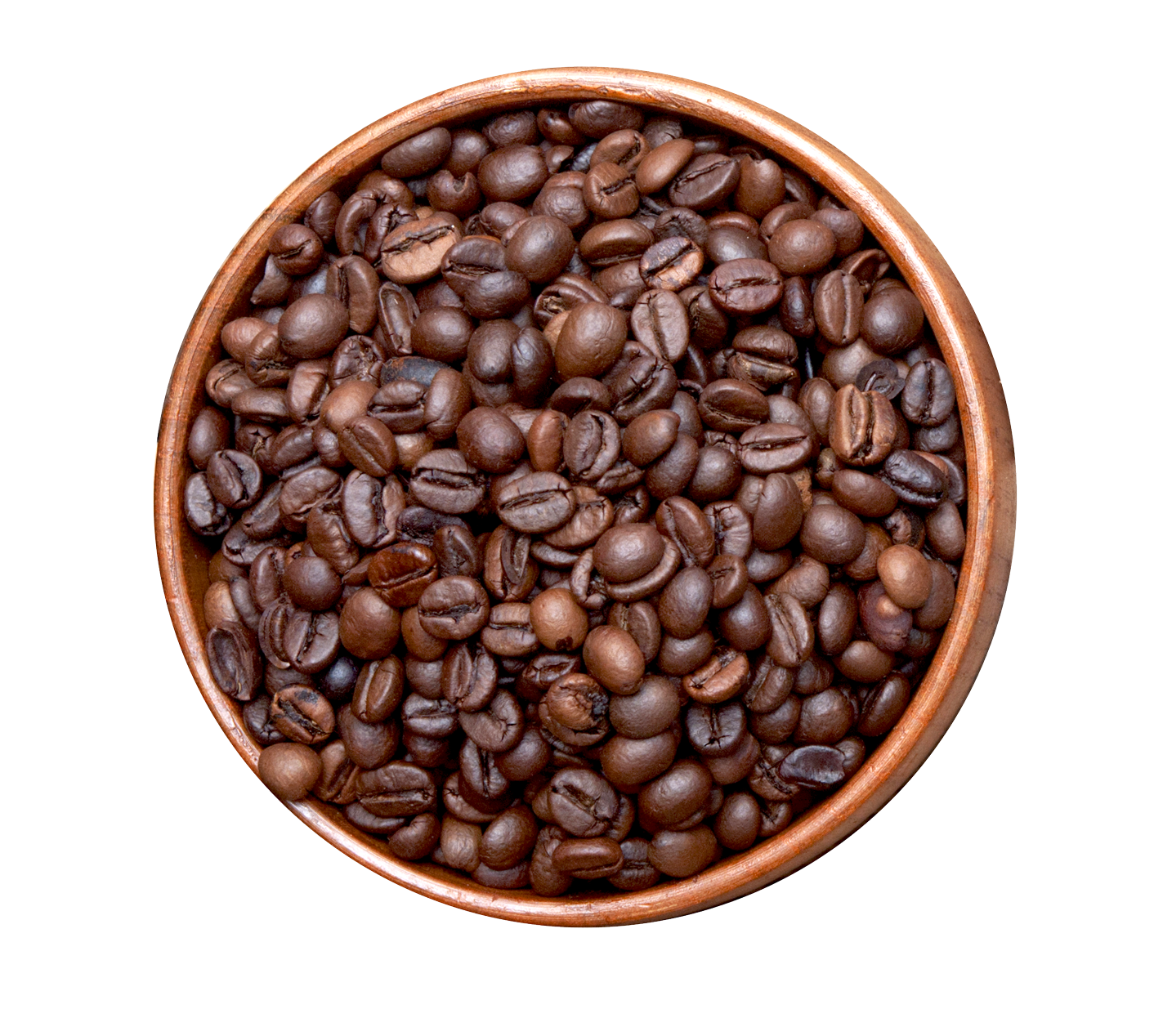
The Field Of Coffee Roasting Process


Java is greater than a daily routine; it’s a complex beverage that has captured the hearts of countless individuals around the planet. At the heart of this adored drink lies the coffee bean, which transforms from a raw, green seed to the scented, roasted beans we adore. Understanding the science behind coffee bean preparation is key to appreciating what defines a great coffee truly exceptional. From mild roast to bold roast, each roast level brings out individual flavors and aromas, enabling coffee enthusiasts to explore a wide range of taste sensations.
The path of coffee beans begins with the selection of variety, with Arabica being among the finest coffee selections available. Arabica coffee is known for its silky, deep flavor and milder acidity, making it a popular option among baristas and casual drinkers alike. As we dig into the roasting process, we will discover how diverse techniques impact the final product, helping you identify the best rated coffee beans and the top coffee in the market to suit your flavor profile. Whether you are buying newly toasted coffee beans online or checking out local coffee shops, understanding the roasting technique will enhance your admiration of this fine beverage.
Understanding Java Seed Chemistry
The chemistry of coffee seeds plays a crucial role in defining the flavor profile and quality of the brewed drink. Coffee seeds, especially arabica seeds, contain a complex mixture of compounds, including sugars, proteins, lipids, and organic acids. The cooking process changes these elements through chemical reactions that enhance the beans' flavor and aroma. Understanding these reactive changes gives awareness into why freshly cooked coffee can have such unique and diverse tastes.
During roasting, Maillard reactions occur, resulting to the development of luxurious brown colors and a variety of tastes. These interactions happen between amino acids and reducing sugars when the seeds reach high temperatures. As the cooking continues, the profile of the coffee changes from green flavors in raw seeds to the nuanced characteristics typically found in great coffee. https://www.coffeehype.co.uk/coffee/speciality-coffee-banffshire/ of roasting, either light or dark, substantially influences the final flavor, as well as the amount of certain reactive compounds like the stimulant and compounds.
Additionally, the newness of coffee beans plays a vital role in the quality of the brew. Fresh cooked coffee seeds give off carbon dioxide over time, which can impact flavor. Beans that are too stale may lose their strong taste and aromatic characteristics. For coffee enthusiasts seeking the greatest coffee in the universe, comprehending the chemistry behind the beans they choose and choosing for fresh coffee beans can elevate their experience and pleasure with each cup.
The Roast Process Detailed
Roasting coffee beans is a intricate procedure that converts raw green beans into the aromatic and flavorful coffee we adore. The journey begins with warming the beans to high heats, typically between 370 to 540 degrees Fahrenheit. This method causes a chain of reactive interactions known as the Maillard process, where sugars and amino acids in the beans react to create fresh flavors and aromas. The exact temperature and duration can vary considerably based on the desired roast profile, including mild, regular, or bold roast coffee.
As the beans cook, they undergo physical changes, such as swelling and hue transformation. Initially, the beans are raw and hard, but they gradually turn golden and then brown throughout the roasting stage. The first crack, an audible popping sound, signals that the beans have attained a critical heat level and are growing. This moment is vital, as it signifies the shift to the development of more complex flavors. The duration after the first crack is essential in determining if the roast will lean towards a lighter or stronger profile.
Once the preferred roast degree is reached, the beans are quickly chilled to stop the roasting procedure. This is commonly done using air or water to stop additional cooking and to preserve the new coffee beans' flavors and aromas. After cooling, the freshly roasted coffee beans are prepared for packaging or further processing, ensuring that coffee lovers can savor the best coffee in the market. The entire roasting process is a delicate balance of science and artistry, contributing significantly to the overall quality of the completed brew.
Deciding the Best Roast for Brewing
When selecting the right roast for making coffee, it is essential to take into account your personal flavor likes. Milder roasts, such as light roast coffee, tend to highlight the distinct flavors and zest of the coffee beans, making them a superb choice for those who appreciate a more vibrant and fresh cup. If you are someone who appreciates a fine harmony of taste, gentle roasts may be the best option for you. On the flip side, if you like more bold flavors, dark roasts might be more inviting.
Arabica beans are popular among coffee enthusiasts for their smoothness and complex flavors. When choosing the ideal coffee, look for newly roasted coffee beans to confirm optimal flavor. The quality of the beans profoundly impacts the overall taste profile. Buying new coffee from reputable coffee roasters can elevate your brewing experience, allowing you to enjoy the exquisite characteristics that premium arabica beans offer.
In conclusion, think about the making method you wish to use. Diverse brewing methods can amplify specific flavors existing in different roasts. For example, pour-over styles often work well with light roast coffee, bringing out intricate notes, while espresso makers can showcase the rich flavors of dark roasts. Trying with different roast levels and brewing methods will help you discover what constitutes good coffee for your preferences, guiding you to the best coffee beans in the world for your perfect cup.